
Research & Data
Steel Building Research and Data
Datasets publish only with documented methodology and sample.
Data & methodology
Steel Building Research & Market Data
Explore our methodology, data-driven planning resources and research as verified datasets become available.
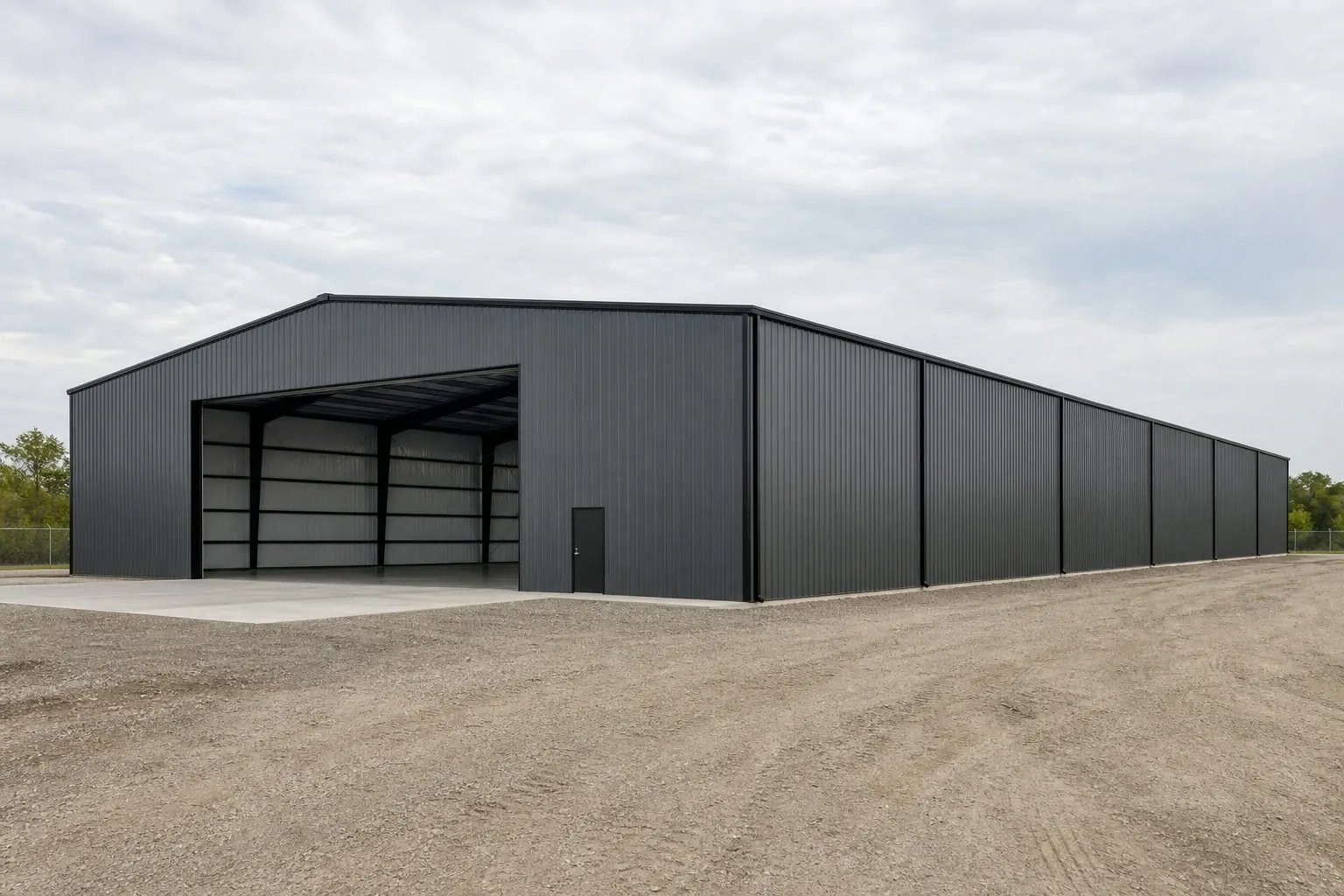
Example configuration — for planning purposes only.
Methodology
Planning analysis
Structural references
How we treat numbers
Anything quantitative on this site is either computed from dimensions we state, taken from a cited source, or labelled as a planning assumption. Where we do not hold data, we say so instead of estimating.
Orientation
What counts as research on this platform
Research here means a dataset the platform holds, can describe, and can be held to. That is a narrower definition than the industry usually applies to the word. An article summarising other articles is not research. A chart built from an unnamed survey is not research. A number that cannot state where it came from and when it was collected is not publishable at all.
Method
How a fact becomes publishable
- Classify the statement: is it engineering, cost, code, structural, regulatory, a quantitative comparison, a popularity claim, or geometry?
- Record where the number comes from: a verified external source, our own verified data, a calculation, or a clearly labelled planning assumption. Anything else is not published.
- Attach a source with a tier, publisher and what it supports, or, for a computation, the arithmetic used.
- Reject high-stakes claims that lack Tier 1 or Tier 2 evidence rather than softening the wording.
- Label the basis on the page so the reader can see whether they are reading planning guidance, a platform calculation or an engineering-required item.
Every geometric value on the site is arithmetic on stored nominal dimensions, and each page states the arithmetic it applied.
Limits
Statements this platform will not make
- That a size, type or finish is the most popular in the market, when the evidence available is search demand.
- That a price, price range or per-square-foot figure applies, without an inclusion basis, date and named source.
- That a member size, spacing, gauge or capacity is typical, when that value belongs to a manufacturer's engineered design.
FAQ
Common questions about the data
No. It means people search for it. Search demand and installed base are different quantities, and the platform only has evidence for the first.
Yes. Each page carries a sources module naming the source or stating the calculation, and the editorial methodology page describes the review process behind it.
Evidence
Sources and basis
Sources and methodology
Find Steel Buildings keyword demand dataset
Find Steel Buildings · First-party research dataset · Tier 1 — code authority, standards body, primary dataset or manufacturer engineering
Supports: Relative search-demand statements, stated as demand within the dataset.
Find Steel Buildings dimensional records
Find Steel Buildings · Primary platform dataset · Tier 1 — code authority, standards body, primary dataset or manufacturer engineering
Supports: Every computed geometric value published on the platform.
Directory
Datasets and studies
Research holdings
| Dataset | What it supports |
|---|---|
| Dimensional records | Widths, lengths, eave heights, pitches and every computed geometry value |
| Keyword demand dataset | Statements about relative search demand within the dataset |
| Steel building industry study | Structured analysis of the sector |
| Cost dataset | Any price statement |
| Jurisdiction adoption records | Any code or design criteria statement |
| Manufacturer and supplier records | Any company, coverage or reputation statement |
Planning a building?
Tell us the type, size and location and we will help you request supplier quotes for your project.